- Why energy audiences are harder to programme than most
- The energy-transition strategist
- The grid and utility operator
- The oil and gas realist
- The geopolitics-of-energy analyst
- The climate-tech innovator
- Matching profile to event and fee band
- How to brief and book for an energy audience
- Frequently asked questions
- How we help you find the right keynote speaker for your audience
- Sources
Energy is the rare sector where the keynote stage carries real commercial weight. A planner programming an energy summit is not booking entertainment; they are setting the frame through which an audience of operators, investors, and regulators will read the next eighteen months of capital decisions. The wrong choice flatters the room and changes nothing. The right one reframes a debate the audience thought it had settled. This guide maps the five keynote profiles that consistently win energy audiences in 2026, the events each one suits, and the specific question each is hired to answer.
Why energy audiences are harder to programme than most
Energy is not one audience. A utility reliability conference, an upstream oil and gas forum, and a climate-tech investor day share a sector label and almost nothing else. The reliability engineer wants load forecasts and interconnection realities. The upstream executive wants a clear read on supply, demand, and capital discipline. The investor wants to know which technologies are bankable and which are still a research line item. A speaker who is precise for one of these rooms can be irrelevant, or worse, condescending, in another.
The macro backdrop sharpens the stakes. The International Energy Agency reports that 2025 saw a record USD 2.2 trillion into clean energy against USD 1.1 trillion for fossil fuels, with electricity now drawing more capital than oil, gas, and coal supply combined. At the same time, Deloitte projects that peak demand could rise around 26% by 2035 as data centres and electrification add load to a stretched grid. An audience living inside those numbers can detect a speaker who is reciting headlines within ninety seconds. Programming for them means matching profile to room with some care.
The energy-transition strategist
This is the profile most planners reach for first, and for good reason. The transition strategist works at the level of scenarios and capital allocation: where decarbonisation pathways actually lead, what they cost, and which assumptions in a corporate plan are quietly load-bearing. The strongest version of this profile is usually a former chief strategy officer of an energy major, a senior figure from a research firm, or an economist who has advised on national energy policy. They answer the question every board in the sector is asking: where is the transition genuinely heading, and what does it mean for our next decade of spending?
This profile suits energy-transition summits, sustainability conferences, and the opening plenary of mixed-sector events where the audience needs a shared map before the breakout tracks diverge. It is the wrong profile for a tactical operations forum, where the room wants a practitioner, not a cartographer. Booked well, the transition strategist sets the intellectual frame that the rest of the programme either builds on or argues against, which is exactly what a strong opening keynote should do.
The grid and utility operator
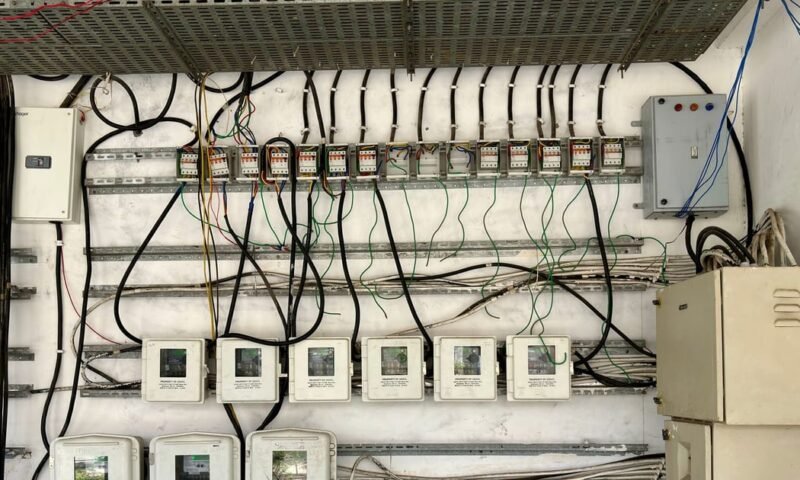
If the past two years have produced a breakout energy keynote profile, it is the grid-modernisation operator. Electricity demand is growing faster than at any point in a generation, with the IEA forecasting global growth of 3.3% in 2025 and 3.7% in 2026, driven by data centres, electrification, and cooling. The operator profile, typically a senior figure from a transmission system operator, an independent system operator, or a large utility, speaks to the hardest question in the room: can the grid actually carry what is coming, and stay reliable while it does?
This profile is built for utility and grid forums, reliability conferences, and any event where interconnection queues, firm capacity, and data-centre load are live anxieties rather than abstractions. The operator earns credibility by being specific about constraints the audience knows are real. They are less suited to a high-level investor audience that wants a portfolio thesis rather than a substation-level account of where the bottlenecks sit. For the right room, though, no profile lands with more immediate authority.
The oil and gas realist
The realist is the profile that keeps a transition-heavy programme honest. This speaker, often a former upstream executive, a commodities strategist, or an energy economist, makes the case for security of supply, capital discipline, and the awkward arithmetic of a system that still runs largely on hydrocarbons. They are not contrarians for sport. They answer the question upstream and midstream audiences actually carry into the room: how do we balance decarbonisation pressure against the obligation to keep energy flowing and affordable?
This profile belongs at upstream and downstream oil and gas conferences, energy security forums, and any transition event mature enough to want tension on the main stage rather than consensus. A programme that books only transition optimists produces agreement and no learning. The realist, placed against a strategist or a climate-tech voice, creates the kind of substantive disagreement that an experienced audience remembers. The risk to manage is tone: the booking works when the speaker is rigorous and respected, not when they are merely sceptical.
The geopolitics-of-energy analyst
Energy is now inseparable from geopolitics, and the analyst profile reflects that. Sanctions, critical-mineral supply chains, shipping chokepoints, and the strategic competition over clean-energy manufacturing all sit upstream of any company’s energy plan. This speaker is usually a geopolitical strategist, a former diplomat or security official, or an analyst from a major research institution. They answer the question that keeps risk committees awake: which external shocks should we be hedging against, and how do they reshape the map of supply and price?
The geopolitics analyst suits investor days, executive leadership summits, and the keynote slot at events where the audience makes decisions exposed to international volatility. They pair naturally with the oil and gas realist, since both deal in supply security from different angles. This profile is less effective at a purely technical operations event, where the audience wants engineering and dispatch detail rather than scenario geopolitics. For leadership and finance audiences, it is frequently the keynote that reframes the whole agenda.
The climate-tech innovator
The innovator profile cuts through the noise around emerging energy technology. Hydrogen, long-duration storage, carbon capture, advanced nuclear, and grid-scale software all attract more rhetoric than capital, and audiences are tired of being sold the future. The strongest version of this profile is a founder, a chief technology officer, or a research scientist who has actually shipped, not pitched. They answer the question investors and corporate strategists keep asking quietly: what is real, what is still hype, and what is genuinely investable in the next five years?
This profile is built for climate-tech and innovation summits, investor forums, and the forward-looking closing keynote at a broader energy event. The innovator works best when paired with a strategist or operator who can place the technology in a system context, so the audience leaves with both the breakthrough and its constraints. Booked alone on a stage of generalists, the innovator can drift into a product narrative. Programmed against the right counterweight, this profile sends an audience home with the one thing a roundup like this exists to deliver: a clearer sense of where to place their attention next.
Matching profile to event and fee band
The table below maps each profile to its primary event types, the question it answers, and an indicative fee band. Fees are presented as ranges that reflect seniority and profile rather than fixed quotes. Exact figures are confirmed on enquiry, since they move with date, location, format, and the scope of any workshop or advisory time attached to the keynote.
| Speaker profile | Best-fit events | The question it answers | Indicative fee band (USD) |
|---|---|---|---|
| Energy-transition strategist | Transition summits, sustainability conferences, opening plenaries | Where is the transition heading and what does it cost us? | 40,000 to 75,000 |
| Grid and utility operator | Utility and grid forums, reliability conferences | Can the grid carry what is coming and stay reliable? | 20,000 to 40,000 |
| Oil and gas realist | Upstream and downstream conferences, energy security forums | How do we balance supply security with decarbonisation? | 20,000 to 40,000 |
| Geopolitics-of-energy analyst | Investor days, executive leadership summits | Which external shocks should we hedge against? | 40,000 to 75,000 |
| Celebrity or former-official keynote | Flagship galas, anniversary and headline plenaries | How do we draw and hold a full-house audience? | 75,000 and above |
Two structural points matter more than the individual numbers. First, the strongest energy programmes deliberately pair profiles in tension: a strategist against a realist, an operator against an innovator. Consensus is comfortable and forgettable. Second, fee band is a proxy for reach and profile, not for value to your specific room. A grid operator at the lower band can be the talk of a utility forum, while a marquee name can underwhelm a technical audience that wanted depth. The discipline is matching the profile to the decision the audience is actually making.
How to brief and book for an energy audience
Once the profile is chosen, the brief decides the outcome. Energy audiences reward specificity, so a strong brief names the audience composition, the live debates in the sector, and the two or three takeaways the keynote should leave behind. Generic decarbonisation talks fail here precisely because the room already knows the headlines. The brief should also be honest about tension: if you want a speaker to challenge the prevailing view in the room, say so, and choose a profile equipped to do it credibly.
Timing is the other discipline. Premium energy speakers, especially the geopolitics and marquee profiles, are often committed nine to twelve months ahead, and the most sought-after names go earlier still. For a flagship 2026 event, a confirmed booking six to nine months out is comfortable; inside three months, the field narrows quickly to who happens to be available. If you are weighing profiles or want a shortlist mapped to your programme, you can talk to our team or browse the roster to see how these archetypes show up across our represented speakers. For adjacent sectors and formats, our related guide covers how the same logic applies beyond energy.
Frequently asked questions
How much does an energy keynote speaker cost in 2026?
Premium energy keynote fees generally fall into three bands. Established sector experts with a regional draw sit around USD 20,000 to 40,000. Marquee analysts and authors with a national media profile run roughly USD 40,000 to 75,000. Celebrity and former-official names with global recognition start at USD 75,000 and rise from there. These are indicative ranges; exact figures depend on date, location, format, and any advisory or workshop time, and are confirmed on enquiry.
How far in advance should we book an energy conference speaker?
For a flagship 2026 event, aim to confirm six to nine months ahead. The most in-demand profiles, particularly geopolitics analysts and marquee keynotes, are frequently committed nine to twelve months out. Booking inside three months is possible but sharply limits the field to whoever is available rather than whoever is right for your audience.
Which speaker profile suits a utility or grid event specifically?
The grid and utility operator profile is the natural fit, since reliability, interconnection, and data-centre load are the audience’s live concerns. For a leadership-heavy utility audience, an energy-transition strategist or a geopolitics analyst can complement the operator on the main stage, giving the room both the engineering reality and the strategic frame around it.
Can one speaker work across both oil and gas and clean energy audiences?
Occasionally, and it is worth handling with care. An energy-transition strategist or a geopolitics analyst can credibly address both, because they work at the system level rather than advocating for one technology. A specialist, such as an upstream realist or a climate-tech innovator, is usually stronger in front of their core audience. When in doubt, match the profile to the room rather than asking one speaker to serve two very different agendas. The team at The Keynote Curators can help you make that call.
How we help you find the right keynote speaker for your audience
Booking the right keynote speaker is as much about audience fit as it is about a name. We start with who is in the room, the tone you want to set, and the outcome you need, then we shortlist speakers built for that brief. Tell us about your event and we will come back, usually within one business day, with considerations on audience fit, format, and the voices that set the right tone.
Sources
- USD 2.2 trillion into clean energy against USD 1.1 trillion for fossil fuels, International Energy Agency
- peak demand could rise around 26% by 2035, Deloitte
- 3.3% in 2025 and 3.7% in 2026, International Energy Agency